Introduction
Welcome to the world of loose leash walking, where you and your Border Collie can enjoy peaceful and enjoyable strolls together. As an expert in Border Collies and positive training methods, I’m thrilled to share a step-by-step guide to help you achieve loose leash walking success. This essential skill will strengthen your bond, ensure safety during walks, and make your outings more enjoyable for both of you.
Understanding Loose Leash Walking
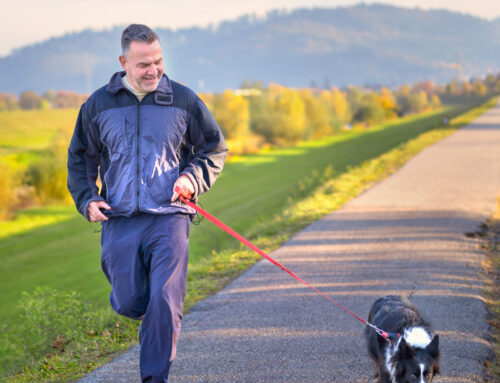
Loose leash walking is the art of walking your dog calmly and comfortably by your side without pulling or tugging on the leash. Instead of feeling restrained, your dog will have freedom of movement, creating a pleasant and stress-free walking experience. This gentle and effective training method encourages positive behaviour and builds a strong connection between you and your furry companion.
Benefits of Walking Your Dog on a Loose Leash
Walking your Border Collie on a loose leash brings numerous advantages:
- Improved Communication: Loose leash walking fosters communication between you and your dog, allowing for better understanding and cooperation during walks.
- Enhanced Safety: By mastering loose leash walking, you can avoid potential accidents caused by pulling or sudden movements, ensuring a safer and more controlled walk.
- Enjoyable Walks: Loose leash walking transforms your walks into enjoyable experiences, fostering a positive relationship with your canine friend and making your outings something to look forward to.
Now, let’s embark on this journey towards loose leash walking mastery!
Choosing the Right Equipment
Before starting loose leash walking training, it’s essential to have the appropriate equipment. Here’s what you need:
Selecting the Appropriate Leash and Collar/Harness
- Leash: Opt for a standard leash that is about 4-6 feet long. Retractable leashes are not recommended for loose leash walking, as they can encourage pulling and make training challenging. A standard leash provides more control and allows you to communicate effectively with your dog.
- Collar/Harness: Choose a comfortable collar or harness that fits well without being too tight or loose. Avoid using choke or prong collars, as they can cause discomfort and may lead to negative associations with walking. A well-fitted harness or flat collar ensures your dog’s comfort and safety during the training process.
Teaching Basic Obedience Commands
Establishing basic obedience commands will lay the foundation for successful loose leash walking.
“Heel” Command Introduction
- Step 1: Start indoors or in a quiet outdoor area with minimal distractions. Begin by holding a treat close to your dog’s nose to get their attention.
- Step 2: As you start walking forward, say “Heel” in a calm and clear voice. Guide your dog’s attention to your side by luring them with the treat.
- Step 3: When your dog walks by your side without pulling, reward them with the treat and praise. Repeat this step several times during each training session to reinforce the “Heel” command.
“Focus” Command for Attention
- Step 1: Get your dog’s attention by holding a treat near their nose. Use the treat to guide their gaze towards your face.
- Step 2: Say “Focus” in a cheerful tone as you encourage your dog to look at you. When they make eye contact, reward them with the treat and offer verbal praise.
- Step 3: Practice the “Focus” command in various settings, both indoors and outdoors, to reinforce your dog’s attention and responsiveness during walks.
Starting Loose Leash Training
Now that your dog is familiar with basic commands, it’s time to begin loose leash training.
Finding a Quiet and Familiar Environment
- Step 1: Start your training in a familiar environment with minimal distractions. Training in a quiet location will help your dog focus and absorb the training instructions more effectively.
- Step 2: Choose a quiet street or a nearby park with fewer people and other dogs. Avoid busy areas during the initial stages of training to ensure a calm and focused learning experience for your Border Collie.
Correct Leash Handling Position
- Step 1: Hold the leash with a relaxed grip, keeping it short enough to maintain control but loose enough to give your dog freedom of movement. Holding the leash too tightly may convey tension and discomfort to your dog, affecting their response to the training.
- Step 2: Keep your arms close to your body to avoid tension on the leash, signalling to your dog that pulling is unnecessary. Maintaining a relaxed posture will create a comfortable walking experience for both of you.
Reinforcing Good Walking Behavior
Positive reinforcement is the key to encouraging good walking behaviour.
Positive Reinforcement Techniques
- Step 1: Praise your dog with an enthusiastic and cheerful voice when they walk calmly by your side. Positive verbal cues, such as “Good job!” or “Well done!” let your dog know they are doing a great job during the training process.
- Step 2: Offer small, tasty treats as rewards to reinforce the desired behaviour. Use high-value treats that your dog finds particularly enticing, such as small pieces of cooked chicken or freeze-dried liver, to motivate and encourage good walking manners.
- Step 3: Along with verbal praise and treats, incorporate physical affection, such as gentle pats or scratches, to show your dog affection and appreciation for their effort.
Rewarding Your Dog for Staying by Your Side
- Step 1: Keep your dog on your preferred side (usually the left) during walks to maintain consistency. By choosing a consistent side, your dog will learn where to position themselves during walks.
- Step 2: Regularly reward your dog for staying close by offering treats and praise. As your dog learns to maintain a loose leash, gradually reduce the frequency of treats while continuing to offer verbal praise and affection.
Correcting Pulling and Tugging
During training, you may encounter pulling or tugging behaviour. Here’s how to address it positively.
Gentle Methods to Discourage Pulling
- Step 1: When your dog starts pulling, stop walking immediately. Avoid yanking on the leash, as this may escalate the pulling behaviour and create a negative association with the walk.
- Step 2: Wait for your dog to return to your side or release the tension on the leash before continuing the walk. Reward your dog with treats and praise when they comply, reinforcing the behaviour of walking on a loose leash.
Maintaining a Steady Pace
- Step 1: Maintain a consistent walking pace to help your dog understand your rhythm and follow your lead. A steady pace provides predictability for your dog during walks, making it easier for them to walk by your side.
- Step 2: Avoid sudden changes in direction or abrupt stops, which may confuse your dog and lead to pulling. Walking with a consistent pace will encourage your dog to stay close and in sync with your movements.
Handling Distractions
Walking outdoors exposes your dog to various distractions. Here’s how to handle them effectively.
Gradual Exposure to Distractions
- Step 1: Gradually introduce distractions, such as other dogs or people, during your walks. Begin with mild distractions and increase the level as your dog becomes more proficient in loose leash walking.
- Step 2: If your dog gets distracted, use the “Focus” command to redirect their attention back to you. Reward them when they respond appropriately, reinforcing their ability to stay focused during walks.
Practicing Patience and Consistency
Loose leash walking is a skill that requires patience and consistency.
Consistent Training Sessions
- Step 1: Set aside regular training sessions, preferably short and frequent, to reinforce good walking behaviour. Consistency is key to success in loose leash walking.
- Step 2: Plan training sessions at different times of the day and in various environments to help your dog generalize the behaviour and respond well in different situations.
Celebrating Small Improvements
- Step 1: Acknowledge and celebrate even the smallest improvements in your dog’s walking behaviour. Positive reinforcement encourages your dog to continue making progress and builds their confidence in loose leash walking.
Gradual Progression
As your dog becomes more proficient in loose leash walking, it’s time to progress to more challenging environments and situations.
Gradually Increasing Walking Challenges
- Step 1: Start incorporating mild distractions, such as passing by other dogs or people, into your walks.
- Step 2: Gradually increase the duration of your walks and explore different routes to provide mental and physical stimulation for your Border Collie.
Enjoying the Loose Leash Walk
Loose leash walking should be an enjoyable experience for both you and your dog.
Creating a Bonding Experience
- Step 1: Use loose leash walking as an opportunity to bond and connect with your dog. Praise and affectionate interactions during walks reinforce your relationship and trust with your furry companion.
- Step 2: Engage in positive interactions during walks, such as talking to your dog, playing games, or exploring new scents together.
Relishing the Benefits of a Well-Behaved Dog
- Step 1: Celebrate the success of loose leash walking by appreciating your dog’s improved behaviour and responsiveness.
- Step 2: Enjoy the freedom and joy of walking your well-behaved Border Collie without the strain of pulling or tugging on the leash.
Conclusion
Congratulations on mastering the art of loose leash walking with your Border Collie! This comprehensive guide has equipped you with the knowledge and skills to create enjoyable and stress-free walks with your furry companion. Remember, patience, positive reinforcement, and consistency are the keys to success in loose leash walking. Embrace the journey of bonding with your dog as you embark on many wonderful adventures together. Happy walking!
Share This Story, Choose Your Platform!

In This Article